Producing a Bridal Brand Campaign
Last year, one of my main goals was to break into other design-related fields — fashion being one of them, and more specifically, a bridal brand. I sat down and made a list of brands I’d love to work with before realizing that I already knew an incredible Persian bridal designer right here in Chicago: Goli Parvinian Young, Founder and Creative Director of Goli June Bridal. That realization felt like a true turning point. As a Persian, I deeply value simply knowing about other Persian-owned creative brands, so the opportunity to collaborate with one felt especially meaningful.
I reached out to Goli and shared my vision, and she was immediately on board. What began as a passing thought quickly started to take shape. I developed two potential concepts: one centered around a universal message about marriage and the wedding day, and another rooted in our shared Persian heritage. In Persian culture, rather than standing at an altar, couples sit before what is called a Sofreh Aghd, a traditional Persian wedding ceremony spread. “Sofreh” means spread, and “aghd” means ceremony. Laid on the floor facing east, it includes symbolic elements representing the couple’s new life together, such as a mirror for purity, candles for energy, foods symbolizing fertility and prosperity, and sweets for joy. Ultimately, that cultural foundation became our direction.
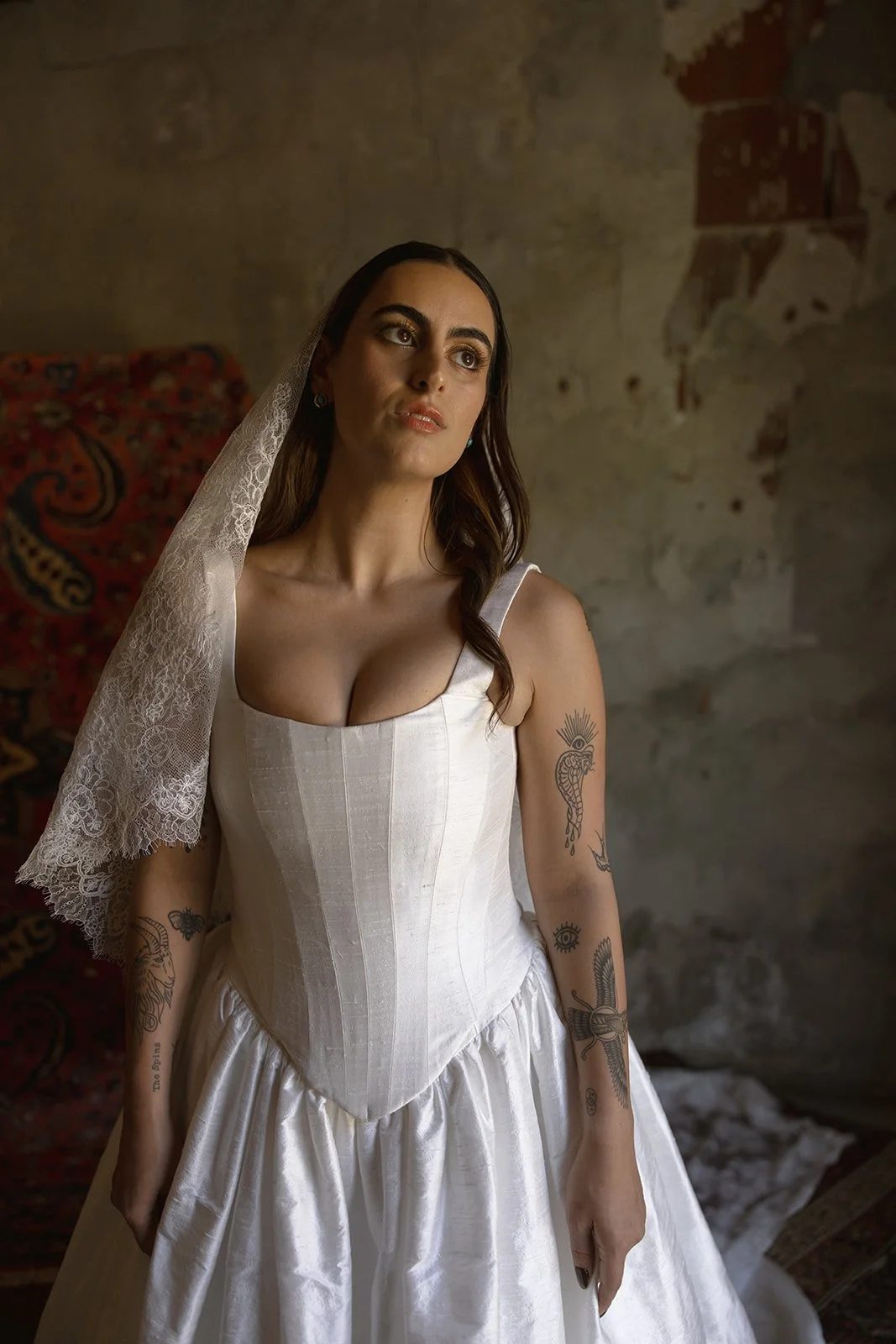
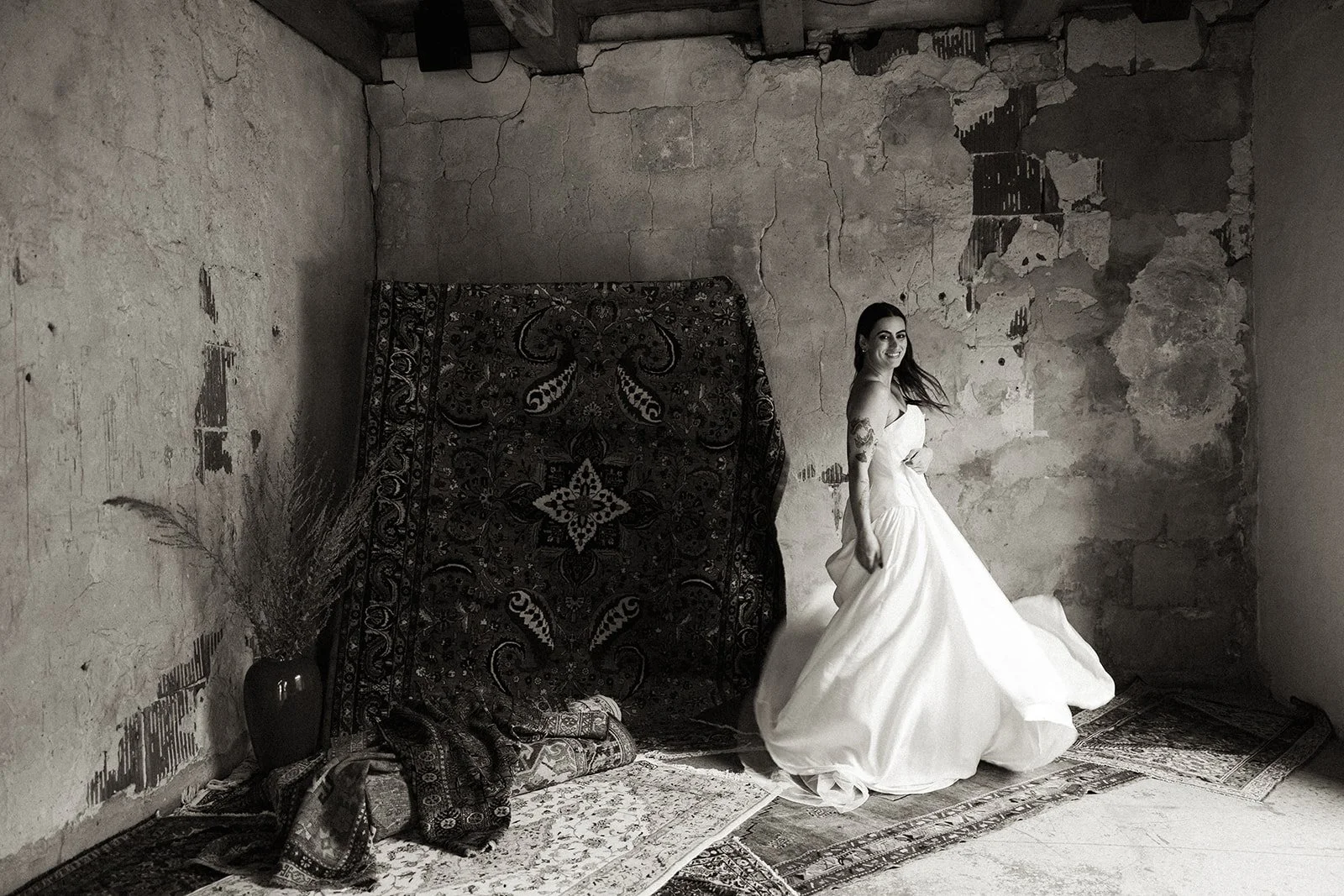
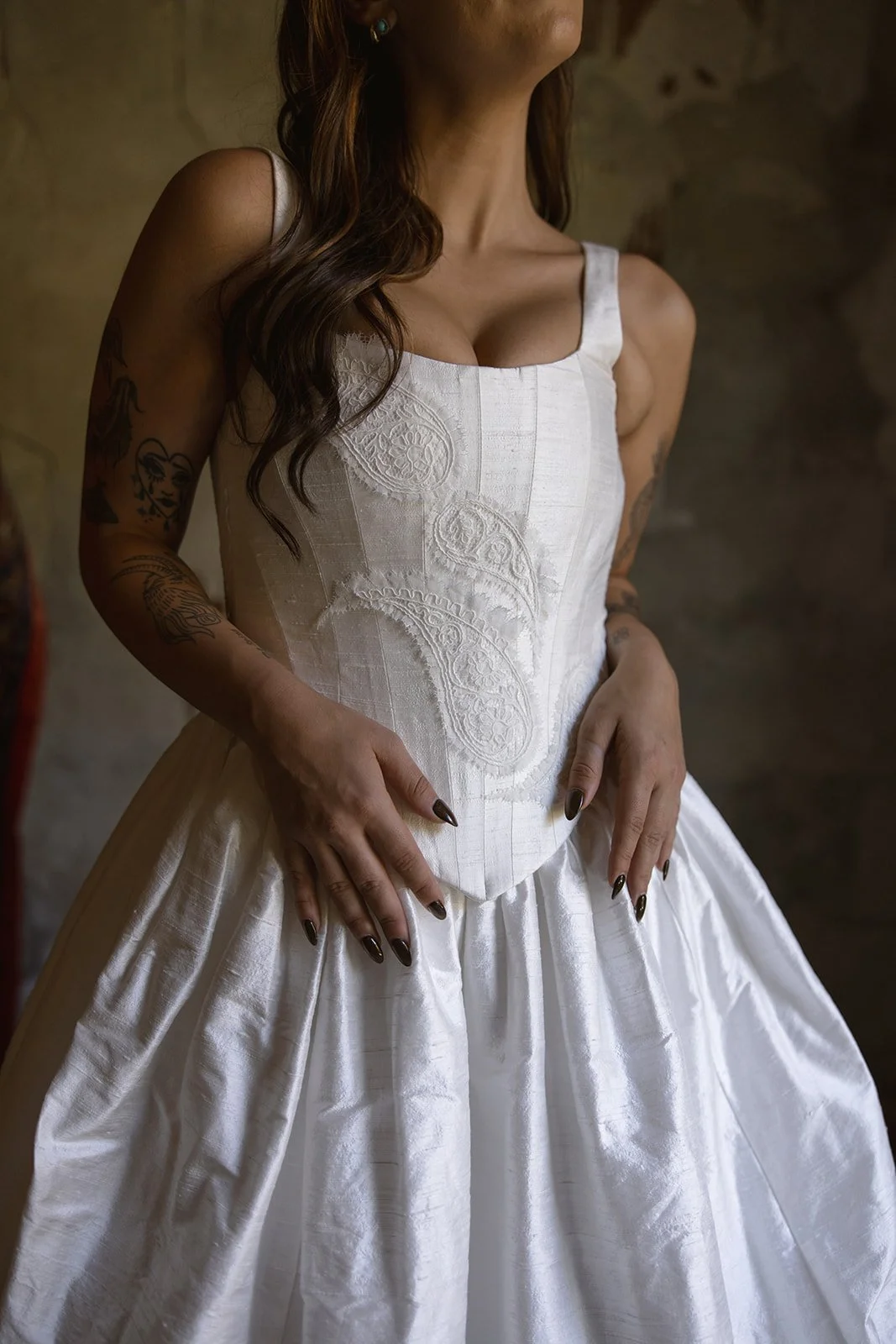
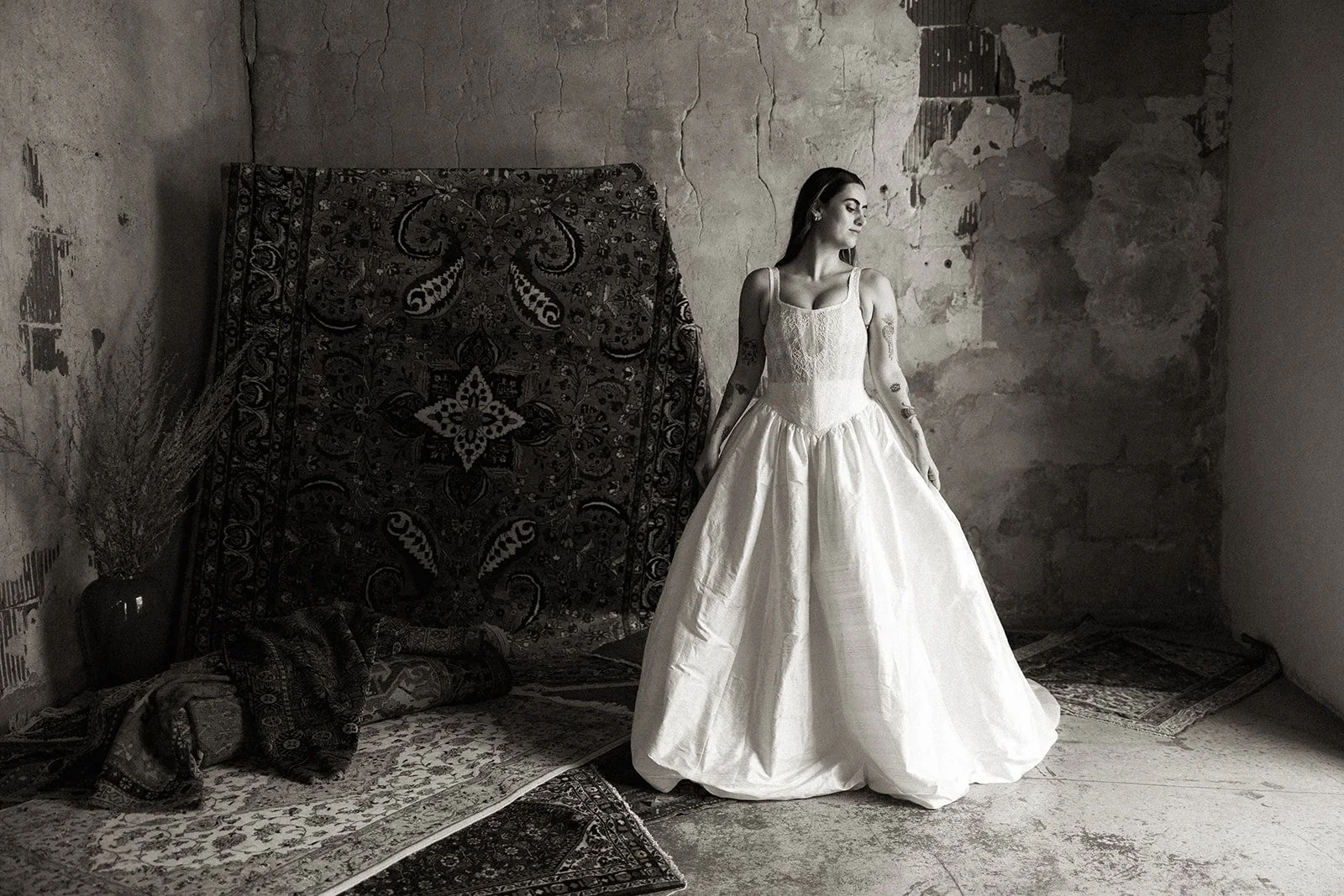
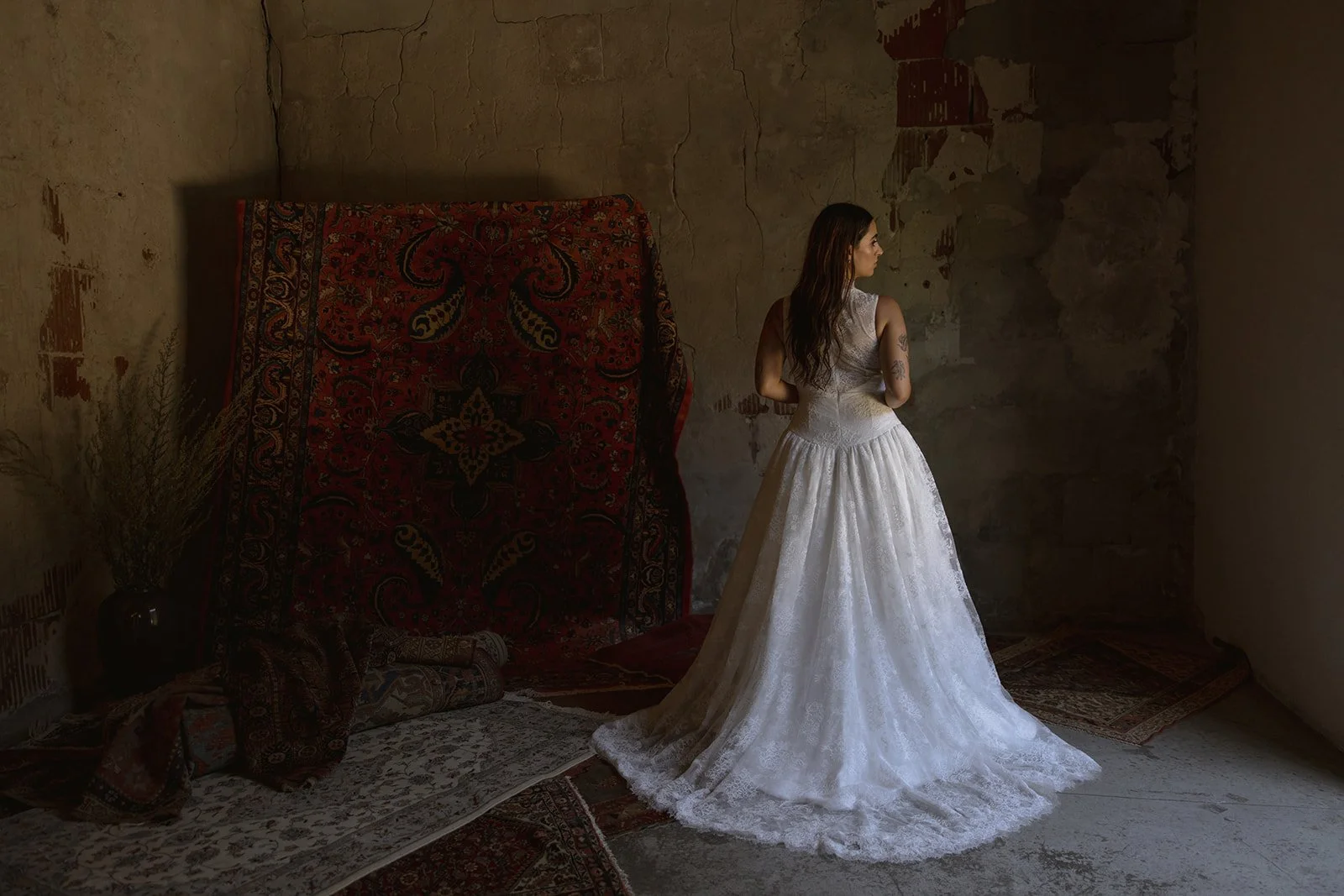
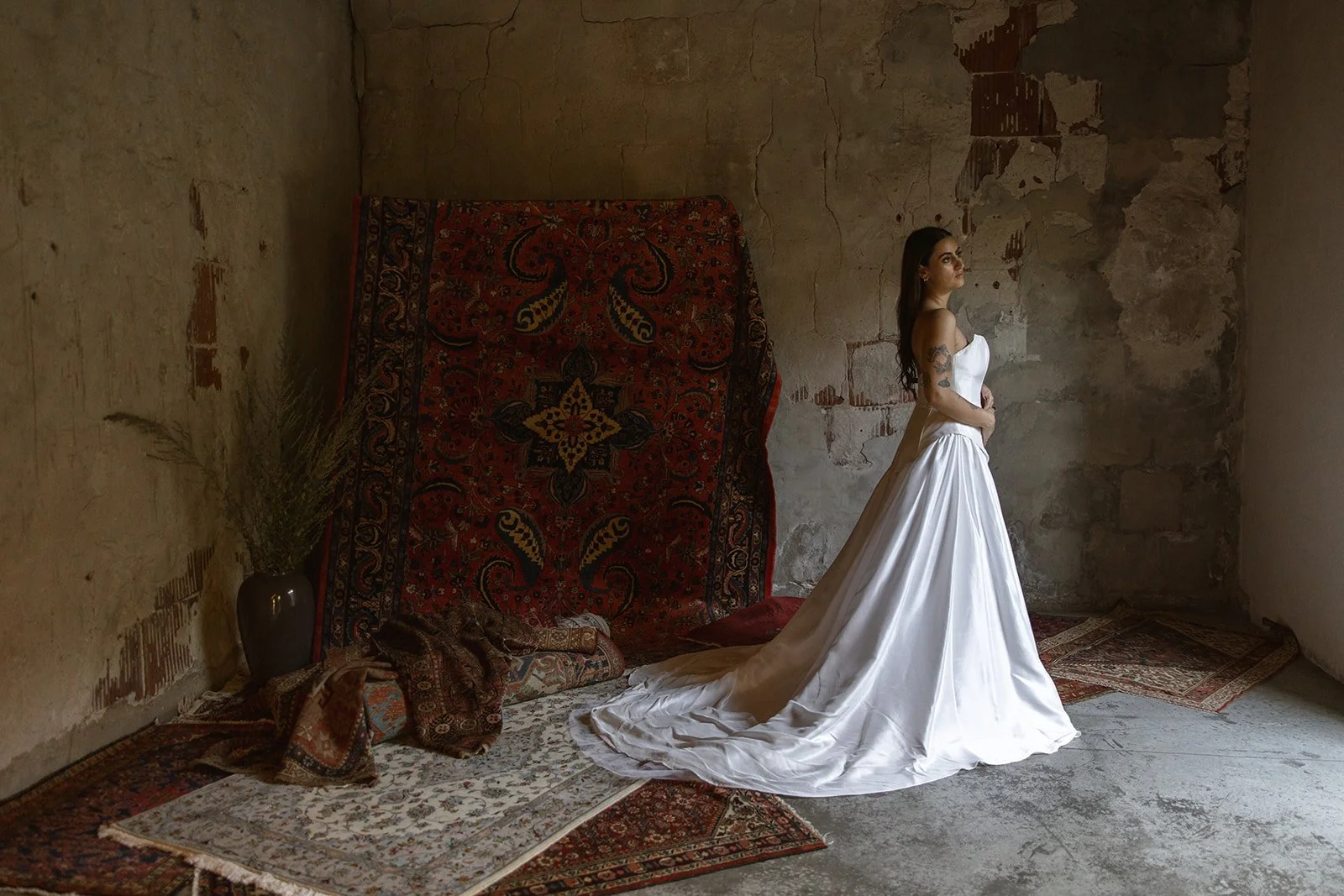
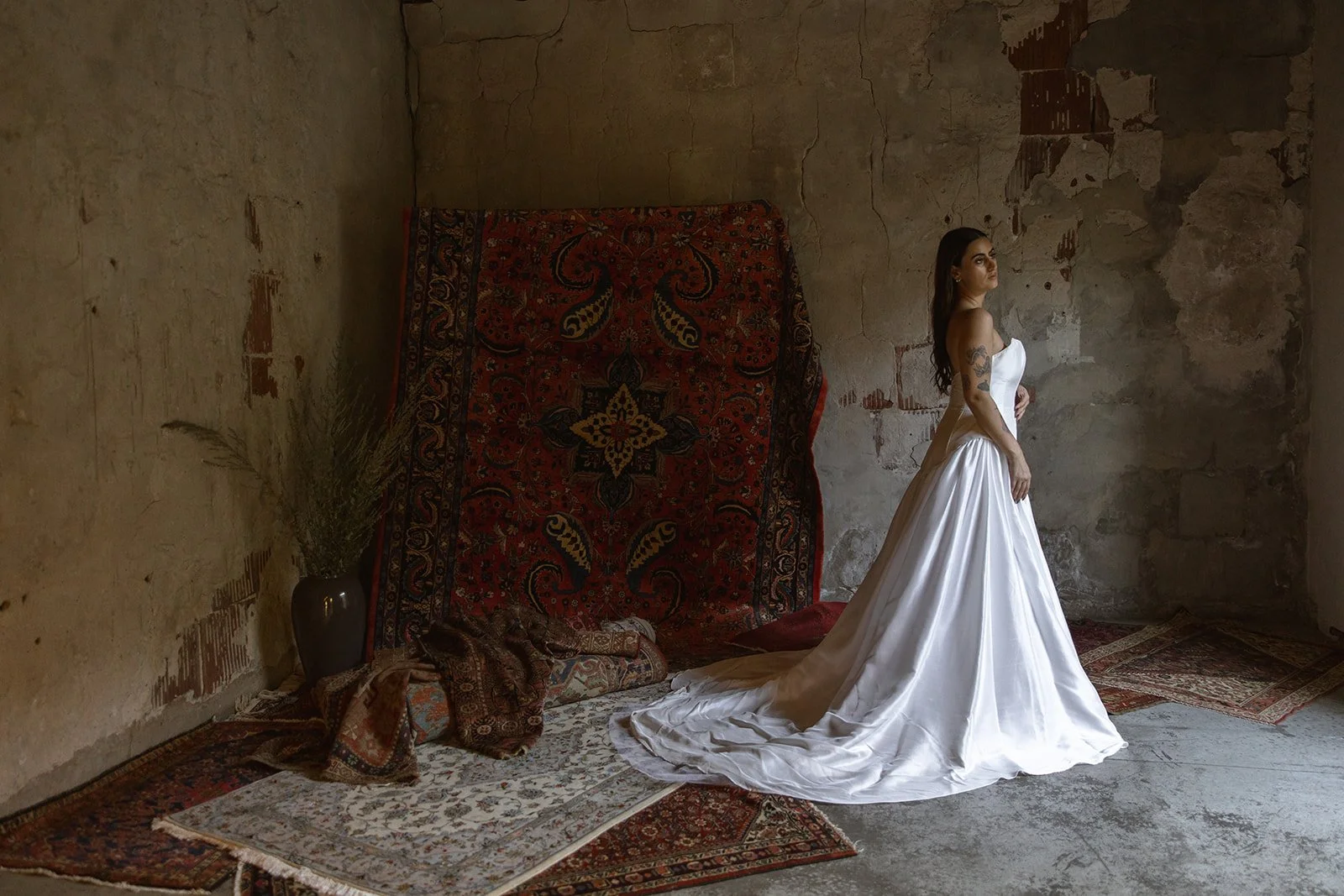
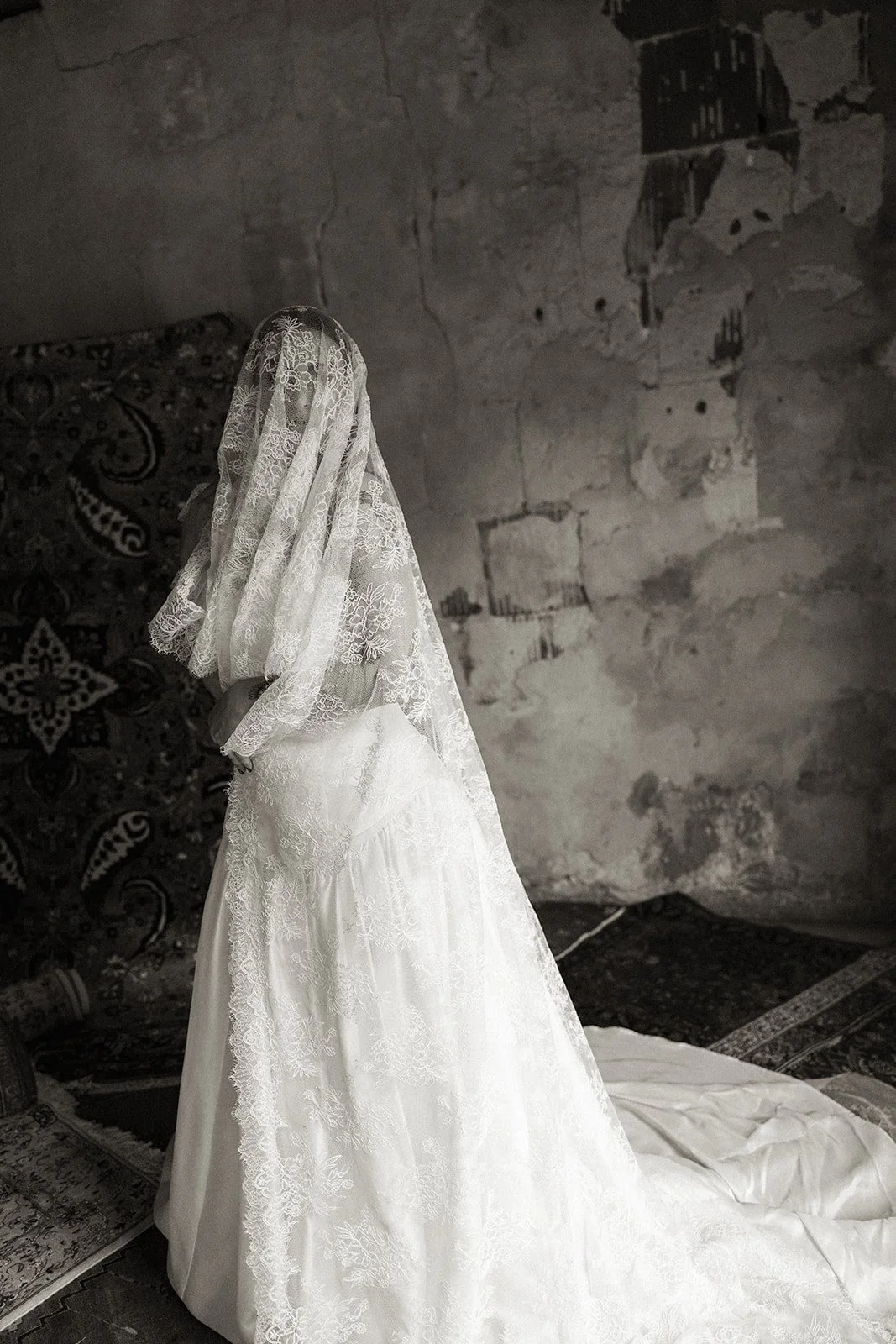
As the project evolved, so did our approach. The Sofreh Aghd itself can be visually elaborate and ceremonial in its own right, and we were mindful not to let it overpower the bridal collection. Because this campaign would live in photography (in two dimensions rather than as a live, immersive experience), the setting needed to support the garments rather than compete with them. Instead of referencing the ornate versions seen today, we drew inspiration from Iran’s Qajar era, embracing a more traditional sensibility while still interpreting it through our own lens.
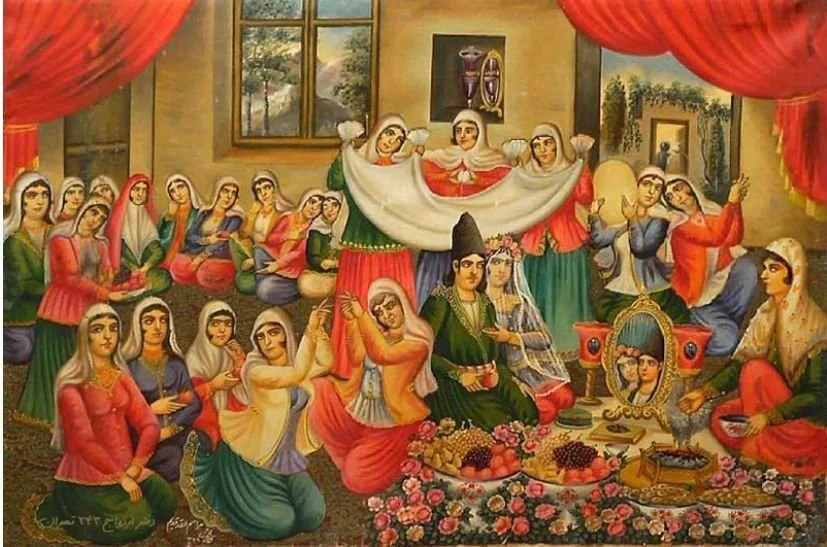
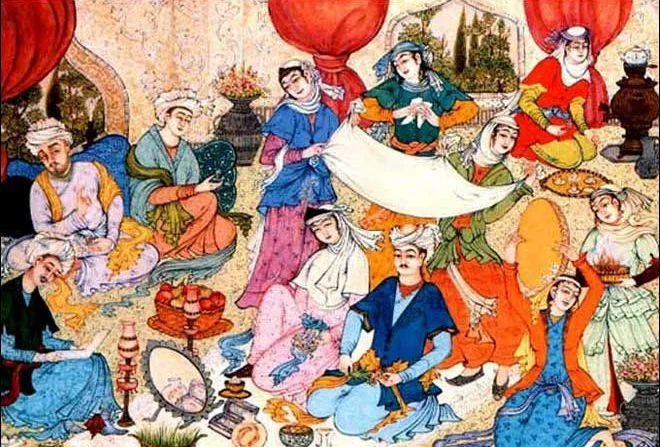
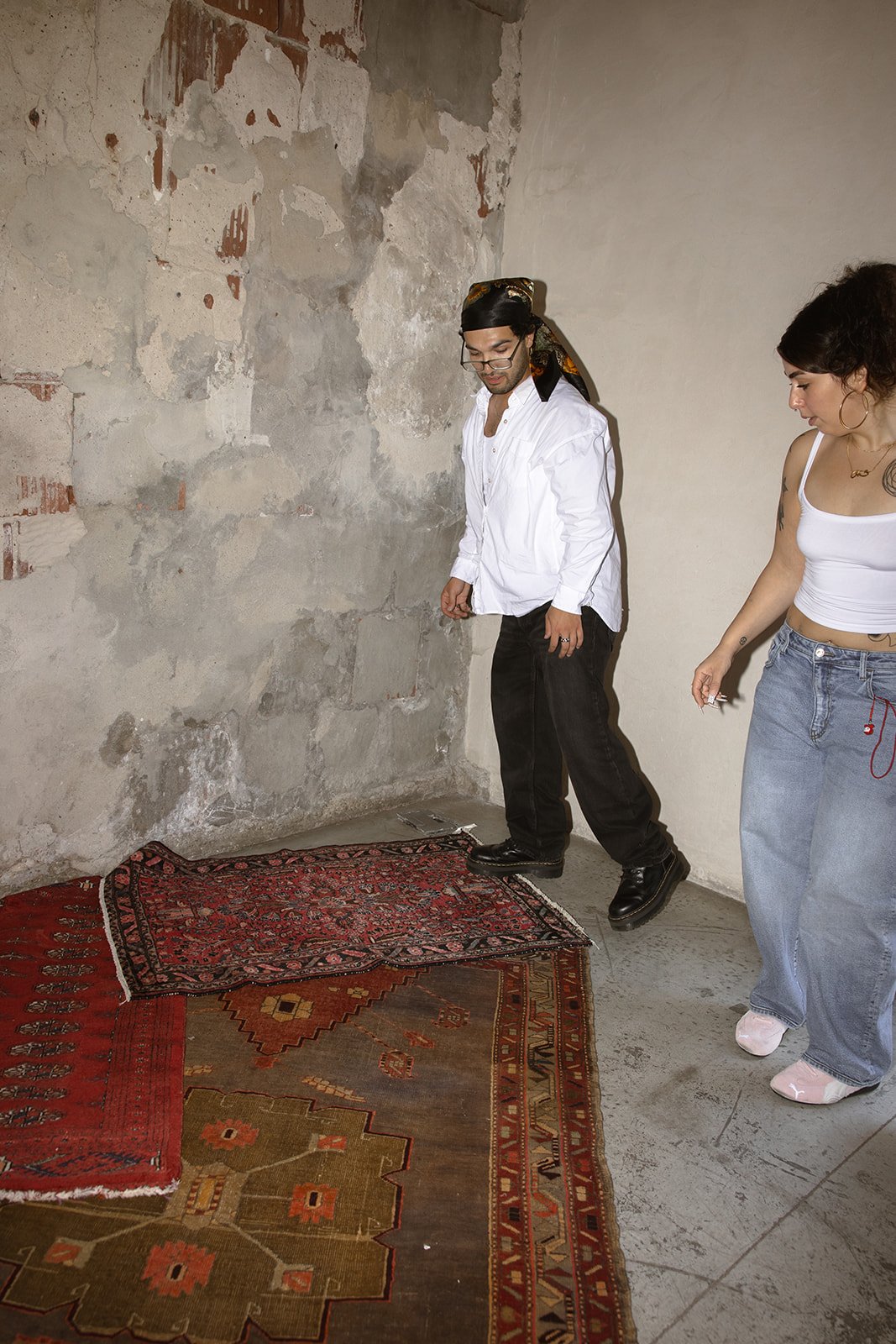
We wanted Persian design to be clearly present without distracting from the dresses. Rugs became the solution — specifically, using Persian rugs as a backdrop. They offered texture, history, and visual depth without pulling focus. Sourcing them, however, could have been a challenge. For me, it wasn’t. In true Persian-diaspora fashion, my family owns a rug store. I sat down with my dad and selected the rugs for the shoot — pieces that are, by the way, available for purchase. To further anchor the setting in heritage, we incorporated a pomegranate and a handmade decorative vase crafted by my uncle, adding subtle but personal layers to the composition.
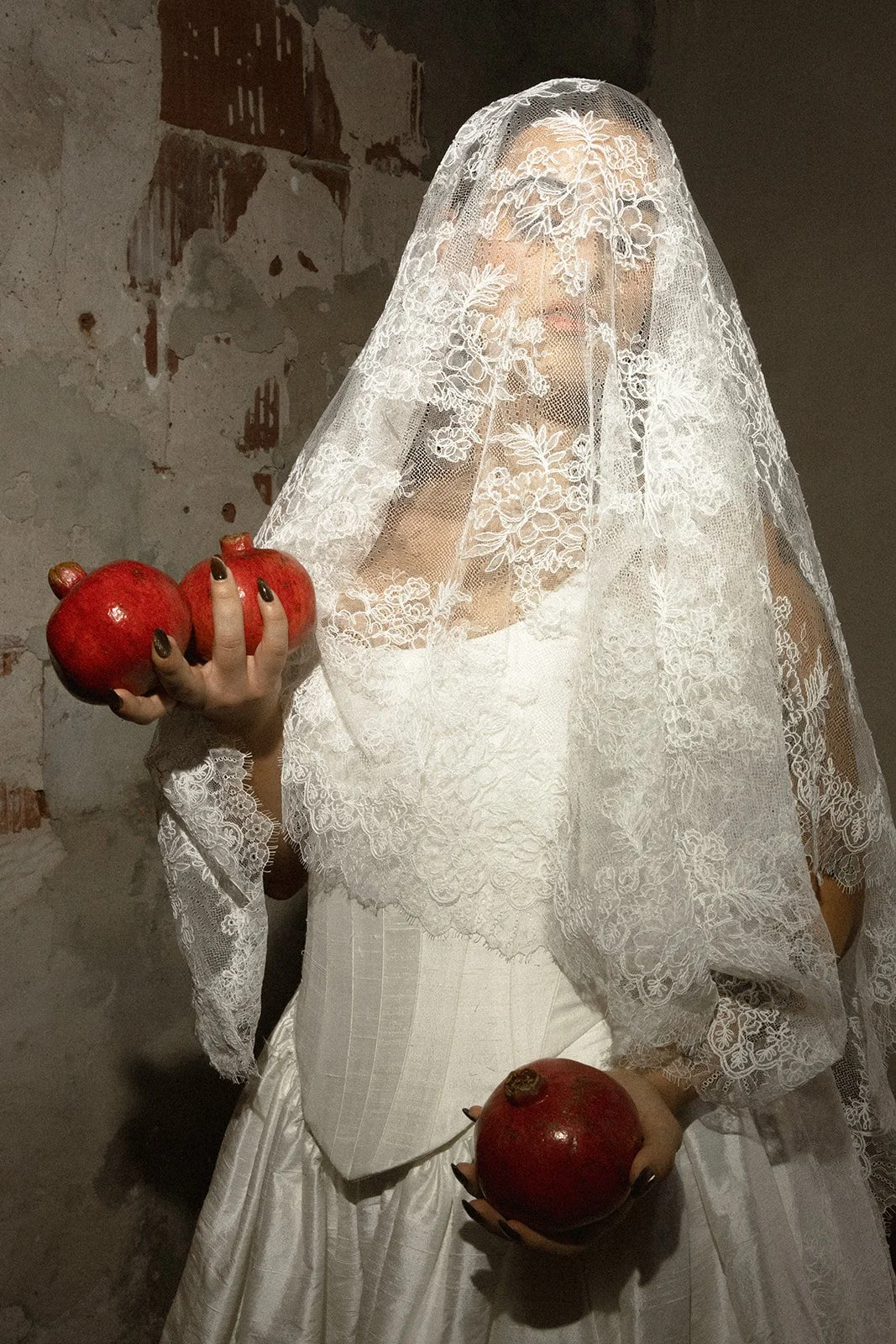
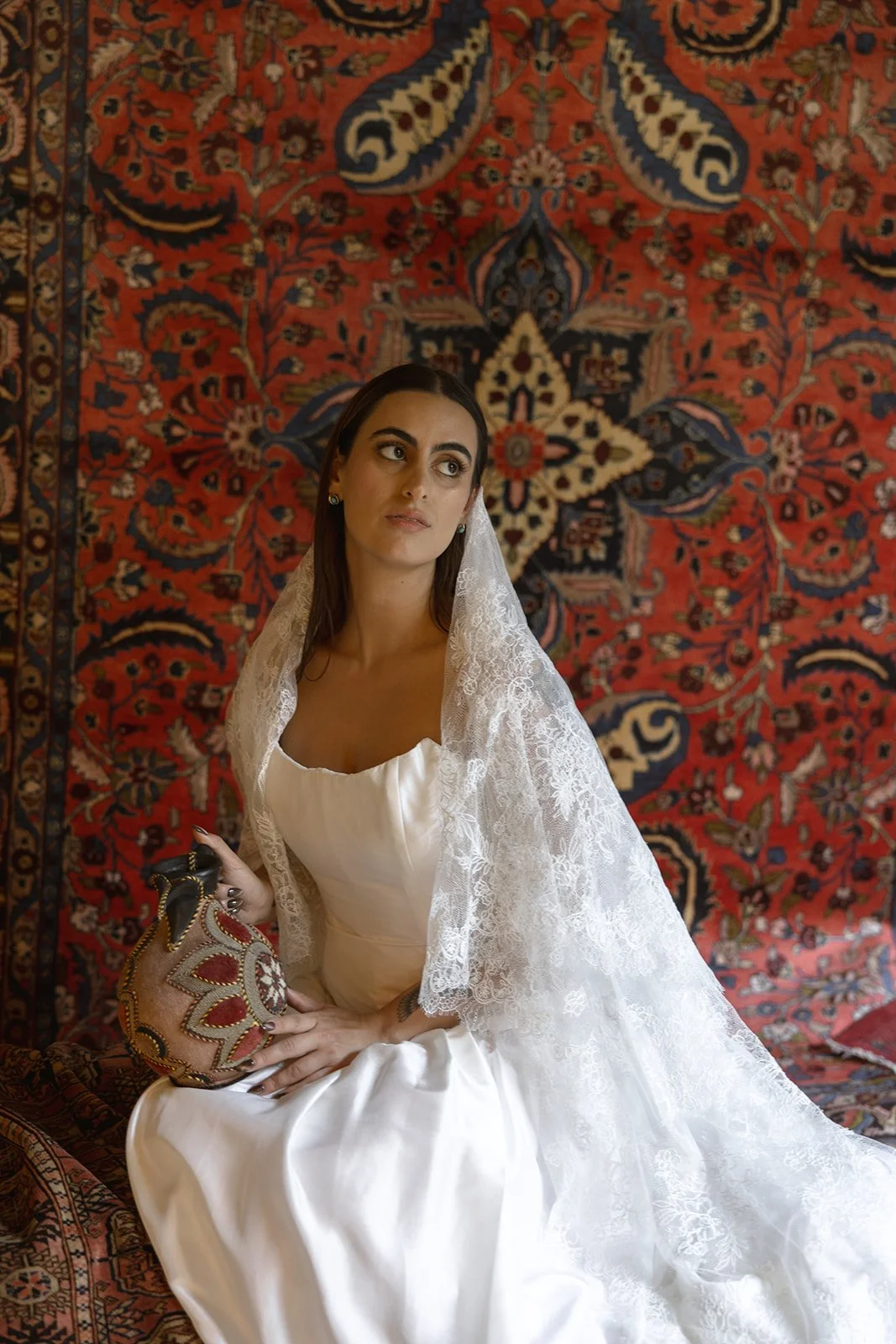
To evoke the antique atmosphere we were referencing, we chose The Charcoal Factory as the location for the campaign shoot. Shooting there had long been on my bucket list, and I’m incredibly grateful to Maura and the entire Charcoal Factory team for helping us bring the vision to life. The exposed concrete and layered textures created a raw counterpoint to the softness of the gowns, and the variety of spaces within the loft allowed us to build dimension throughout the campaign imagery.
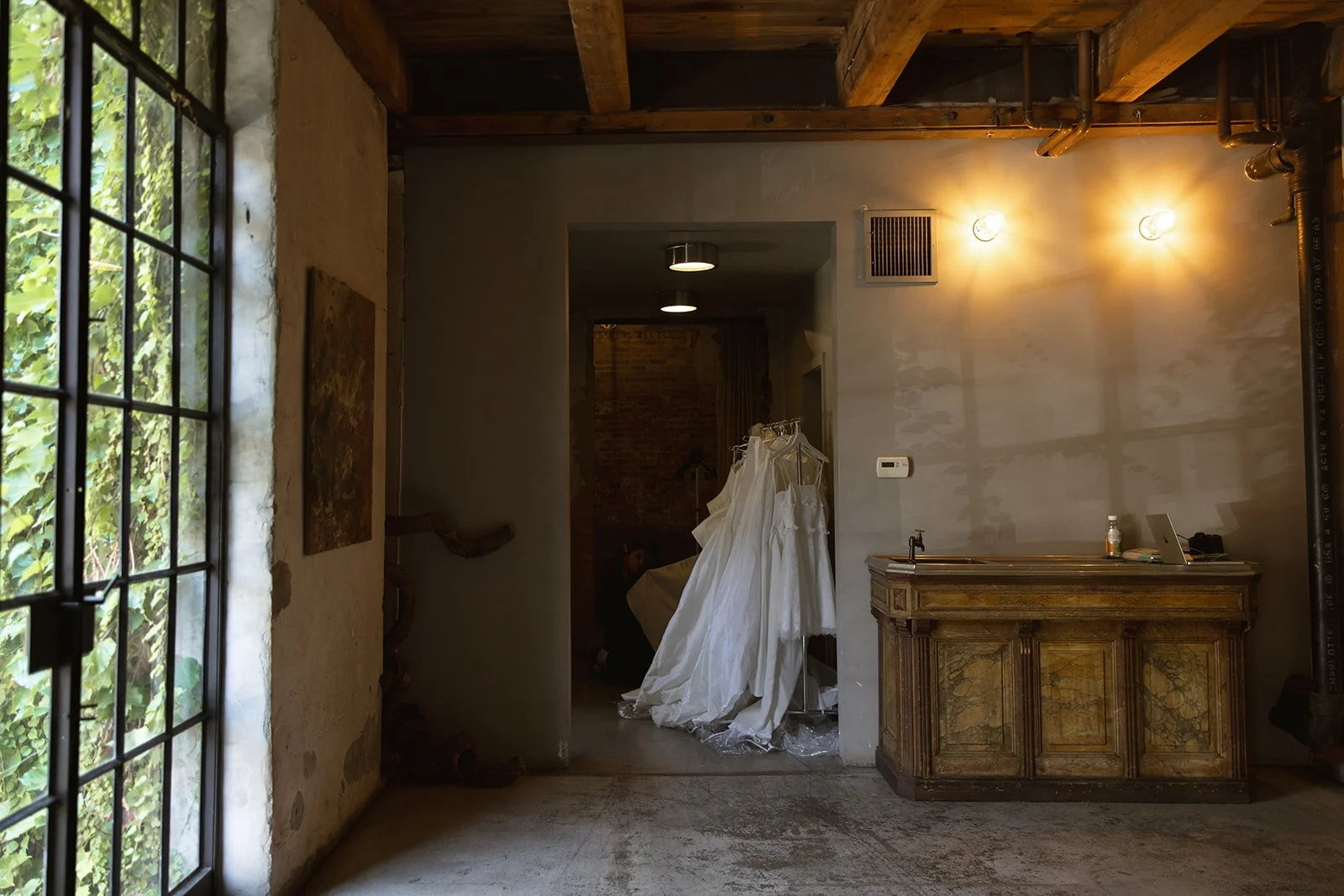
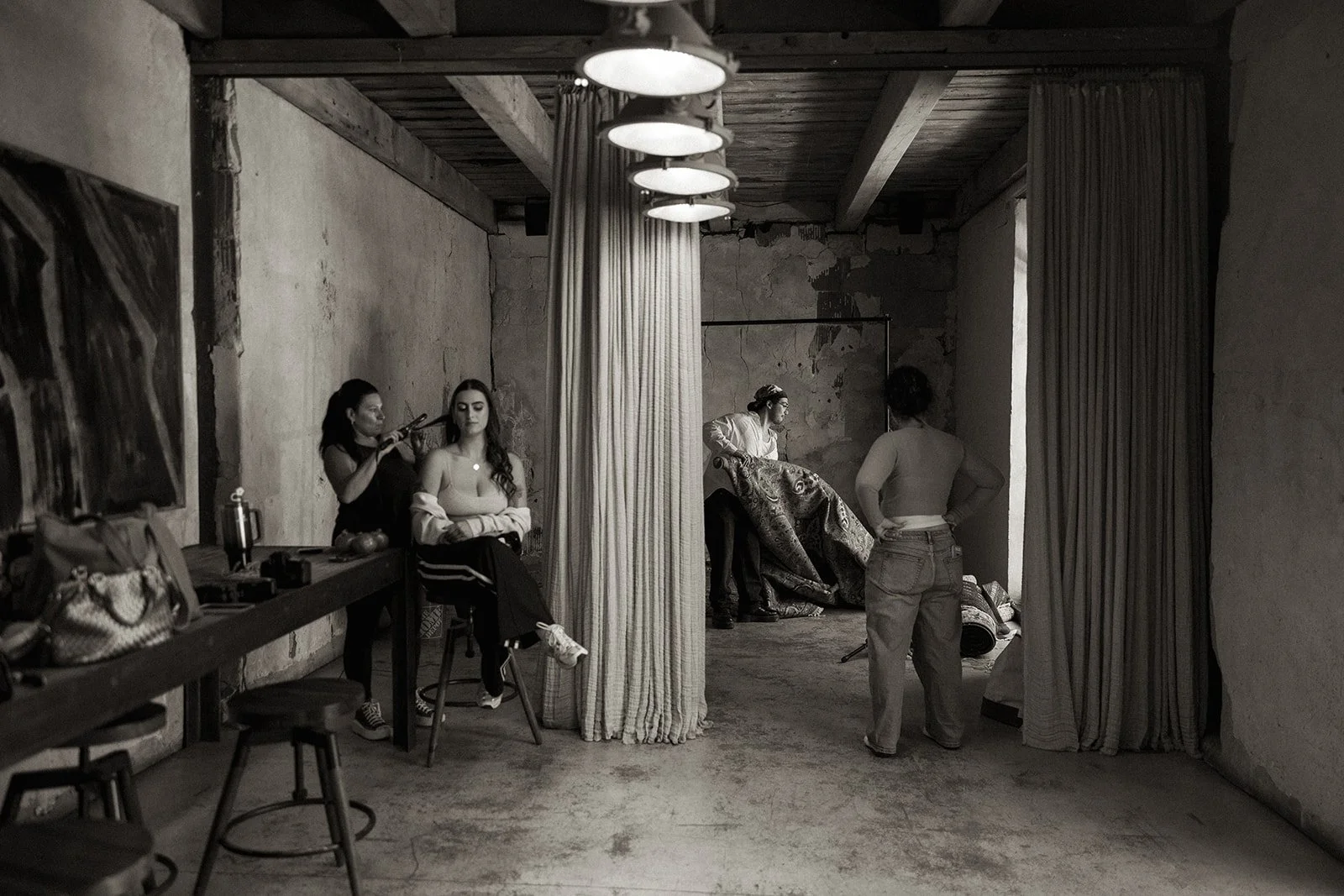
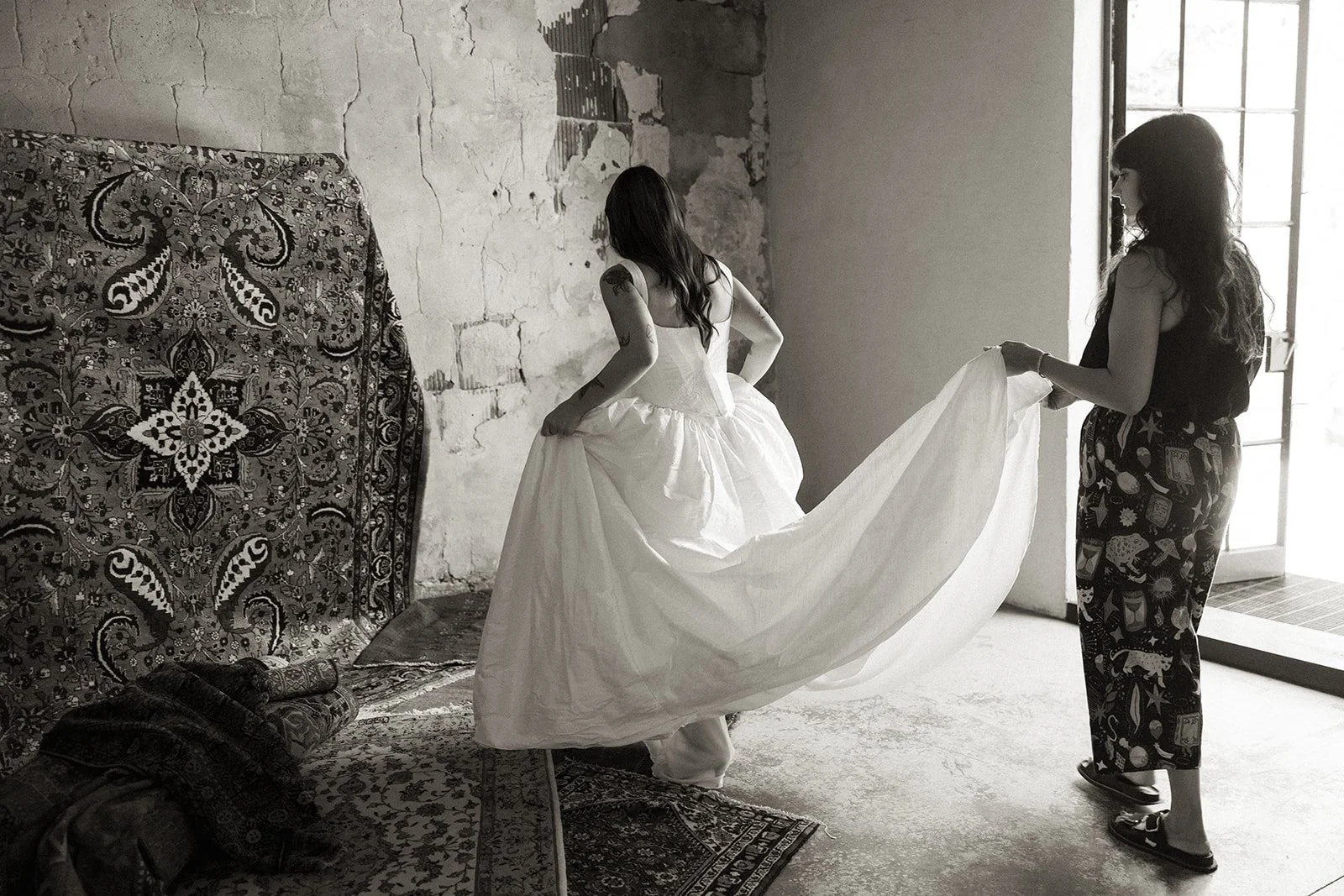
Finally, the team brought everything together. Goli led the decisions around hair and makeup, her interns, and the seamstress, ensuring the integrity of the collection remained intact. I strongly recommended my cousin, Nahal, as our model, and we chose Mari Trancoso for photography. Every decision felt intentional, allowing the collection to hold its presence and truly shine.
At its core, this campaign was about cultural pride, creative alignment, and trusting that when every detail is considered, the final result feels effortless. With Goli June, the goal was to honor heritage without turning it into spectacle, to create atmosphere without distraction, and to let craftsmanship speak for itself. Producing a bridal brand campaign means knowing when to step forward and when to step back to allow history, design, and the collection itself to carry the narrative with quiet confidence.